
Have you ever found yourself staring at the gas pump, watching the numbers tick up, and thinking, There has to be a better way?
I think we’ve all been there. For years, the conversation around clean energy felt like a distant promise something our grandchildren might get to enjoy. But if you’ve been watching the news coming out of Asia this week, you’ll know that the future isn’t coming; it’s already here, and it’s happening in real-time.
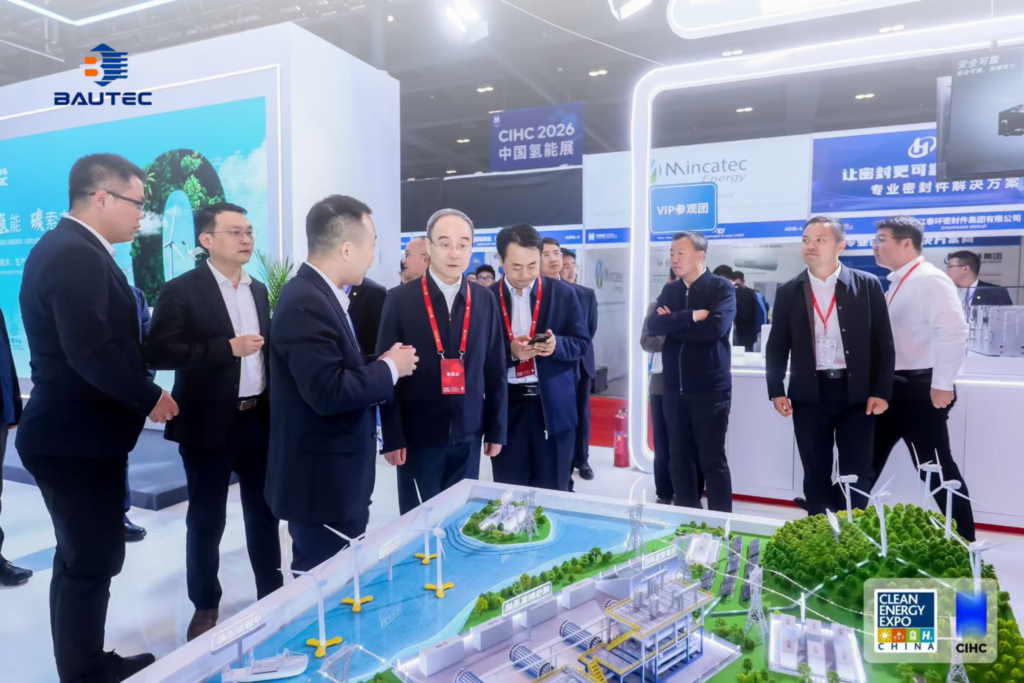
The Beijing Hydrogen Energy Exhibition 2026 has officially kicked off, and it’s more than just another trade show. It’s a melting pot of innovation where the world’s biggest players are putting their cards on the table. From automotive giants unveiling the next generation of fuel-cell vehicles to infrastructure developers showcasing how they plan to build a hydrogen highway across continents, the energy in the convention center is palpable.
More Than Just a Car Show
When we talk about hydrogen energy, it is easy to get stuck on the image of a sleek, futuristic car. But walking the floor at this year’s exhibition, it becomes clear that we are looking at a massive ecosystem. This isn’t just about how we drive; it’s about how we live.
One of the biggest takeaways this year is the focus on logistics and heavy industry. Sure, electric vehicles are great for commuting, but what about the cargo ships moving goods across the Pacific? What about the steel plants that need intense heat to operate? That’s where hydrogen steps in to fill the gap that batteries just can’t bridge.
The “Baurobots” Connection: Precision in a New Era
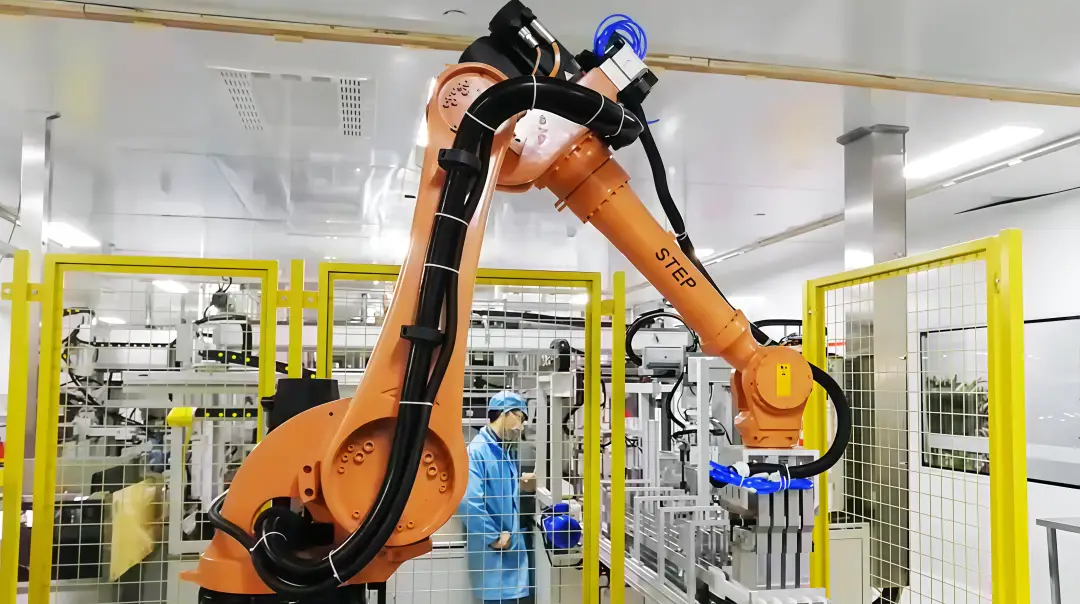
As a team that spends a lot of time thinking about high-precision industrial automation, we were particularly interested in the manufacturing side of this equation. Building a hydrogen economy requires an insane level of precision. We’re talking about fuel cells that need to be assembled with micron-level accuracy to prevent leaks and ensure safety.
Watching the demonstrations in Beijing, it’s impossible to ignore the synergy between robotics and renewable energy. The companies that are going to win in this space aren’t just the ones with the best chemistry formulas; they are the ones who can manufacture those formulas at scale without a single margin for error. It is a reminder that behind every “green” solution, there is a backbone of industrial engineering making it safe and viable.
Solving the “Chicken and Egg” Problem
Of course, if you listen to the chatter among the global leaders gathered here, the conversation keeps circling back to the same old frustration: infrastructure. It’s the classic “chicken and egg” scenario. No one wants to buy a hydrogen vehicle if there are no fueling stations, and no one wants to build stations if there are no vehicles.
But this year feels different. There is a sense of urgency that wasn’t there five years ago. Several consortiums announced joint ventures specifically targeting the creation of hydrogen corridors dedicated routes where trucking fleets can operate reliably.
It solves a real pain point for logistics managers who are currently being squeezed by rising diesel costs and tightening emissions regulations. They don’t want a science project; they want a vehicle that can fuel up in five minutes and haul a heavy load for 500 miles. Based on the technology displayed in Beijing, that reality is finally knocking on the door.
Looking Ahead
Walking through the exhibition halls, surrounded by engineers from Seoul, executives from Munich, and policymakers from California, you get the sense that we are witnessing a turning point. The technology is leaving the lab and hitting the pavement.
The Beijing Hydrogen Energy Exhibition 2026 is proving that collaboration is the only way to solve a challenge this big. It’s a messy, exciting, and incredibly hopeful space to be in.
Whether you are a supplier looking for the next step in automation or a business owner trying to figure out how to decarbonize your fleet without going bankrupt, the message from Beijing is clear: the hydrogen economy is no longer a hypothetical.
It’s time to roll up our sleeves and build it.
Are you curious about how precision robotics are shaping the future of sustainable manufacturing? Check out our latest automation solutions to see how we’re helping industries bridge the gap between innovation and reality.